April 2026: Side Quests on Side Quests
April Goals
Garb:
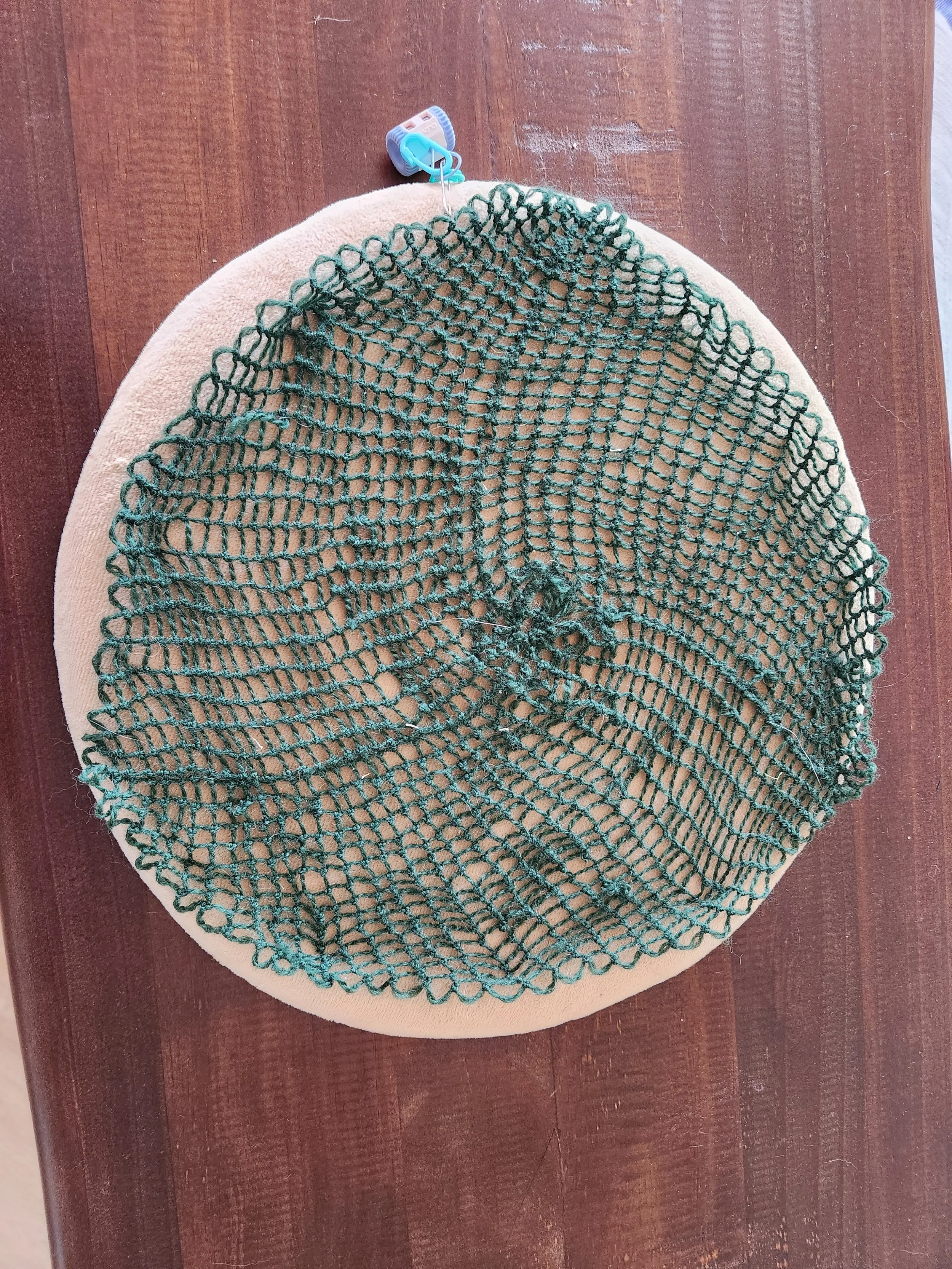
Finish the Green Test Hair Net (just fingerloop left)
Finish the Summer Hispano-Roman-ish
Maybe start on the Winter Hispano-Roman-ish (if supplies arrive)
Classes:
Fix my mic and figure out recording.
Research:
The History and Construction of Netted Hairnets in Medieval Europe
Ceramics, Foodways, and Local ‘Sub-Cultures’ in North-Western Iberia at the Height of the Roman Empire
Agriculture, Gathering, and Food Processing in the 10th Century in Central-North Portugal
Boy was this a busy month.
Taking a break from Juana to do the Hispano-Roman capsule wardrobe was definitely the right call. I have gotten so much done, and have just a little more left to do. As of writing:
The two tunicae, the chiton, the veil, and the medallion are all made.
The headpiece and shoes have been acquired.
In progress still are: mounting the headpiece, finishing the tunica strictoria, the fake hair, and the fabric belt.
All in all, I am super pleased with the progress and the results. It’s been a super fun deep dive and has resulted in some new garments that I am definitely in love with.
On classes, I did finally fix my microphone! I have not re-recorded my classes because of life getting very complicated. There was the possibility we’d be moving in July, but it doesn’t look like that’s happening so we’re full steam ahead on my projects list as intended.
I did accomplish all the things I wanted to this month! I think when I get back to Juana in June, my plan is to focus on the verdugos as a working project at home, but I have a third theory on the hairnets that I want to test that will likely be my first embroidered hairnet piece. Nets have proven a really excellent event project, as the materials are portable and light. The Green Test Hair Net is both finished and has gone to its first event at Storvik Novice. These are very quickly becoming my preferred headwear for unpredictable weather and I am very pleased to have them in my rotation.
Of my reading materials, I really enjoyed the Agriculture, Gathering, and Food Processing in the 10th Century in Central-North Portugal (Tente et al.). It was a really interesting way to look at how the foodways in a local area can be both very similar and unique. The reminders of our misconceptions about the diversity in taste and experience of the people we study in the SCA is also really valuable and made me think a lot about how much we probably have in common with them that goes unrealized. Particularly in food spaces, a lot is made of making things palatable to modern audiences without really understanding the nuance of where palatability comes from and ways that gap can be bridged. This paper inspired me even more to keep looking into how to make my everyday SCA food experiences more period. I haven’t ever tried to do a period day board, mostly because day boards for me tend to be very “we have folks to feed and it’s Thursday before an event” but with a little pre-planning, I think that could be a very fun future project.
I’m doing a whole separate article on the Roman capsule wardrobe, so I won’t get too into the weeds about that one here, but I do have some teaser pics of that project.
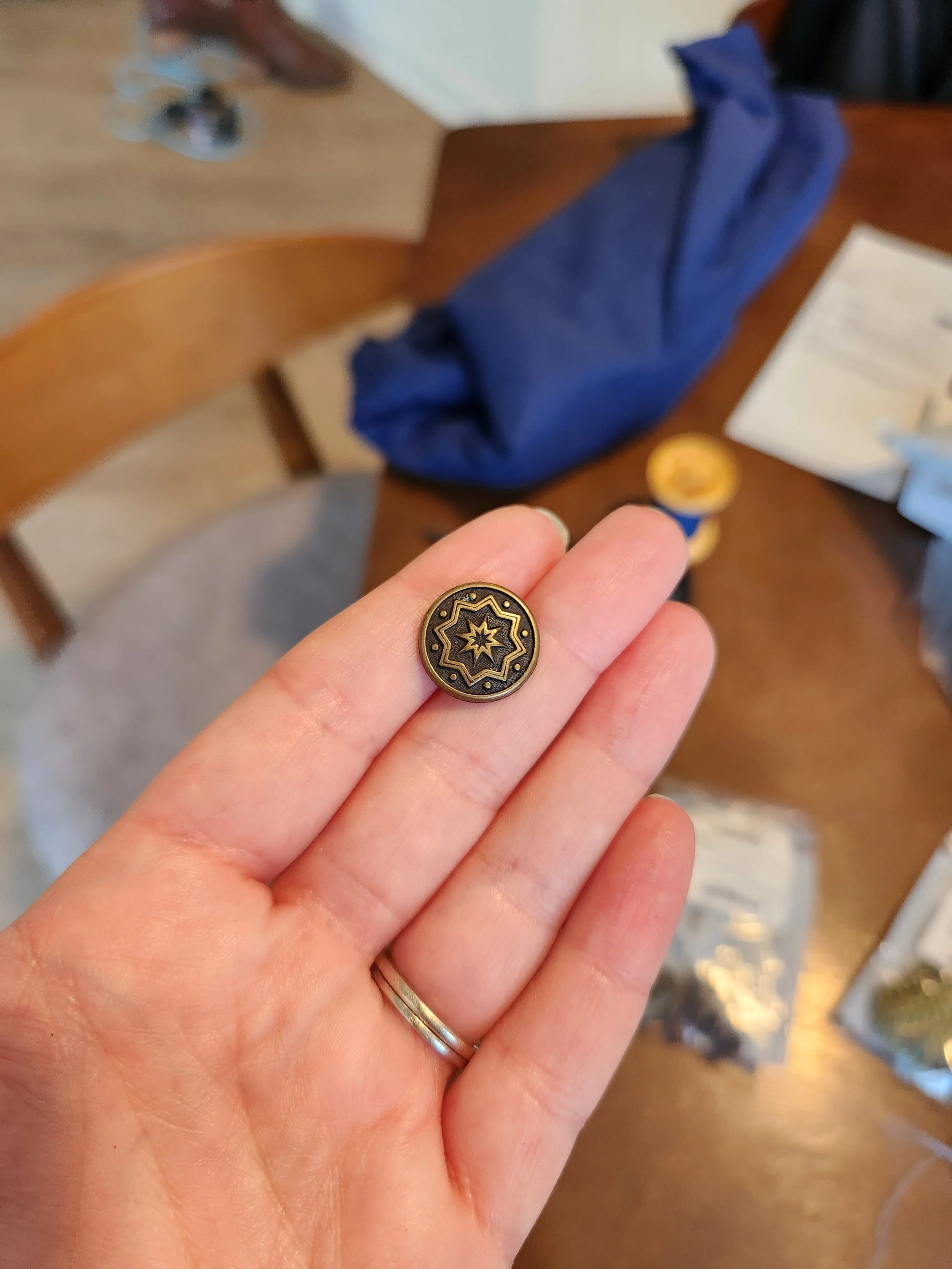
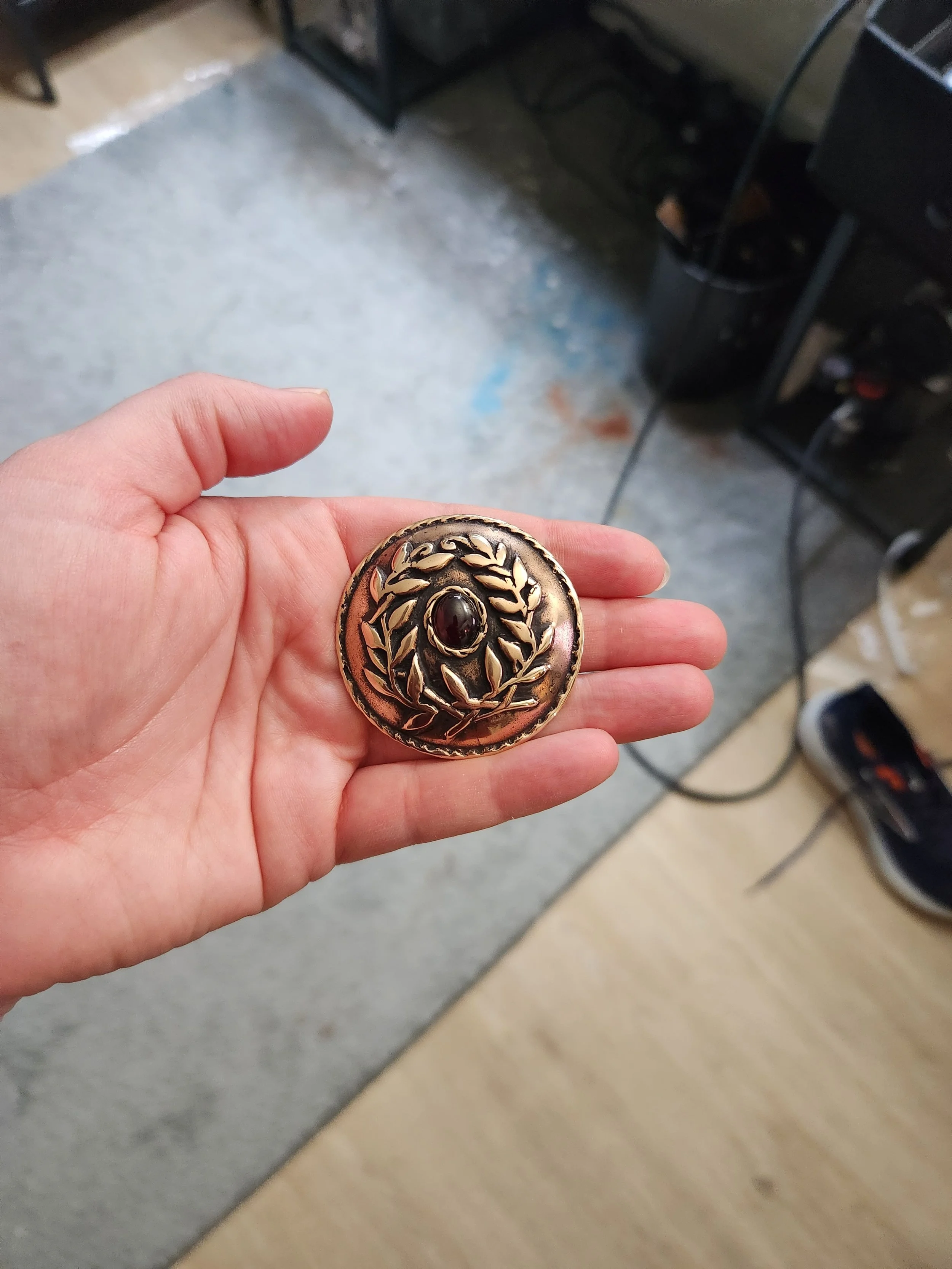
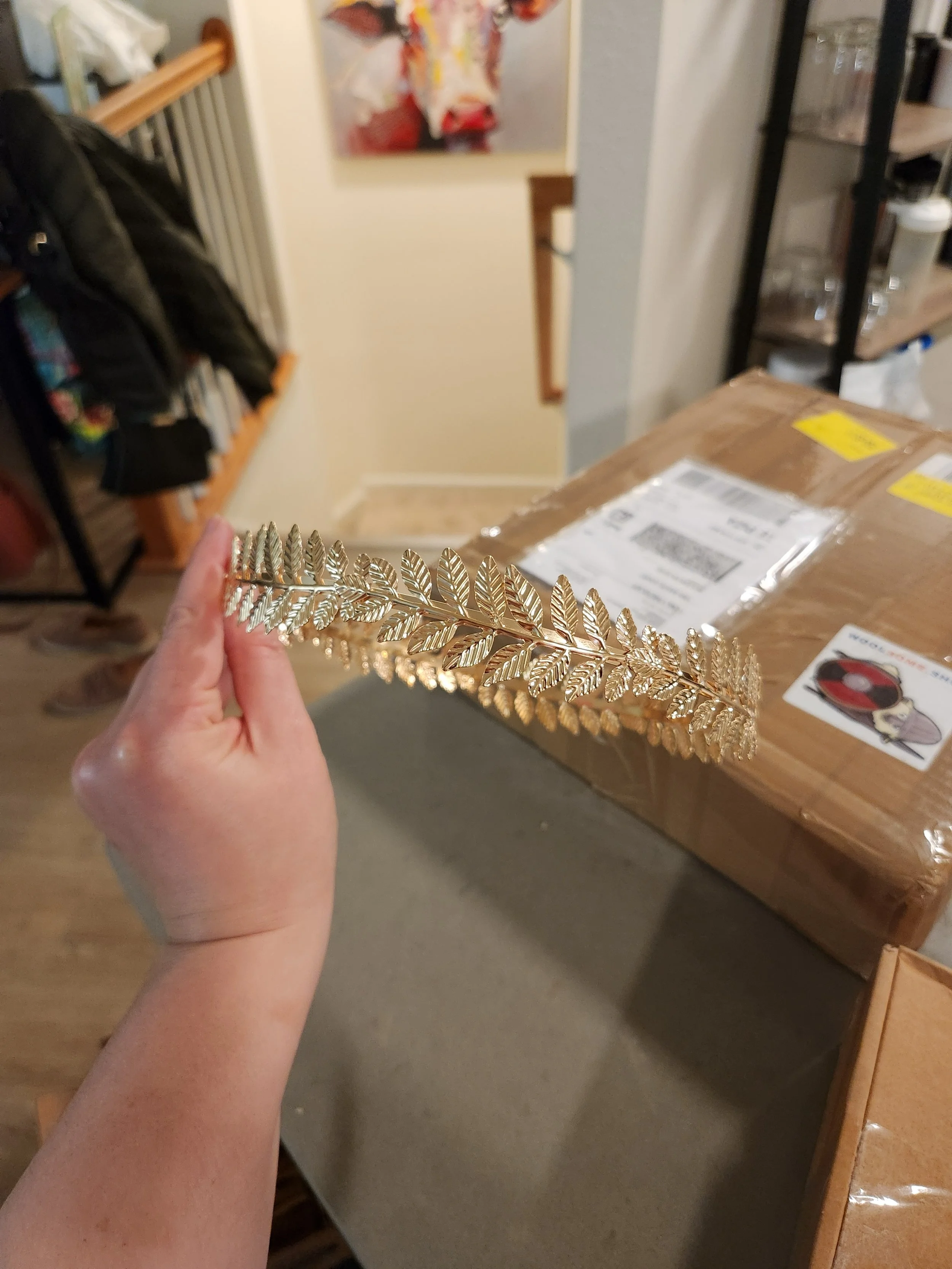
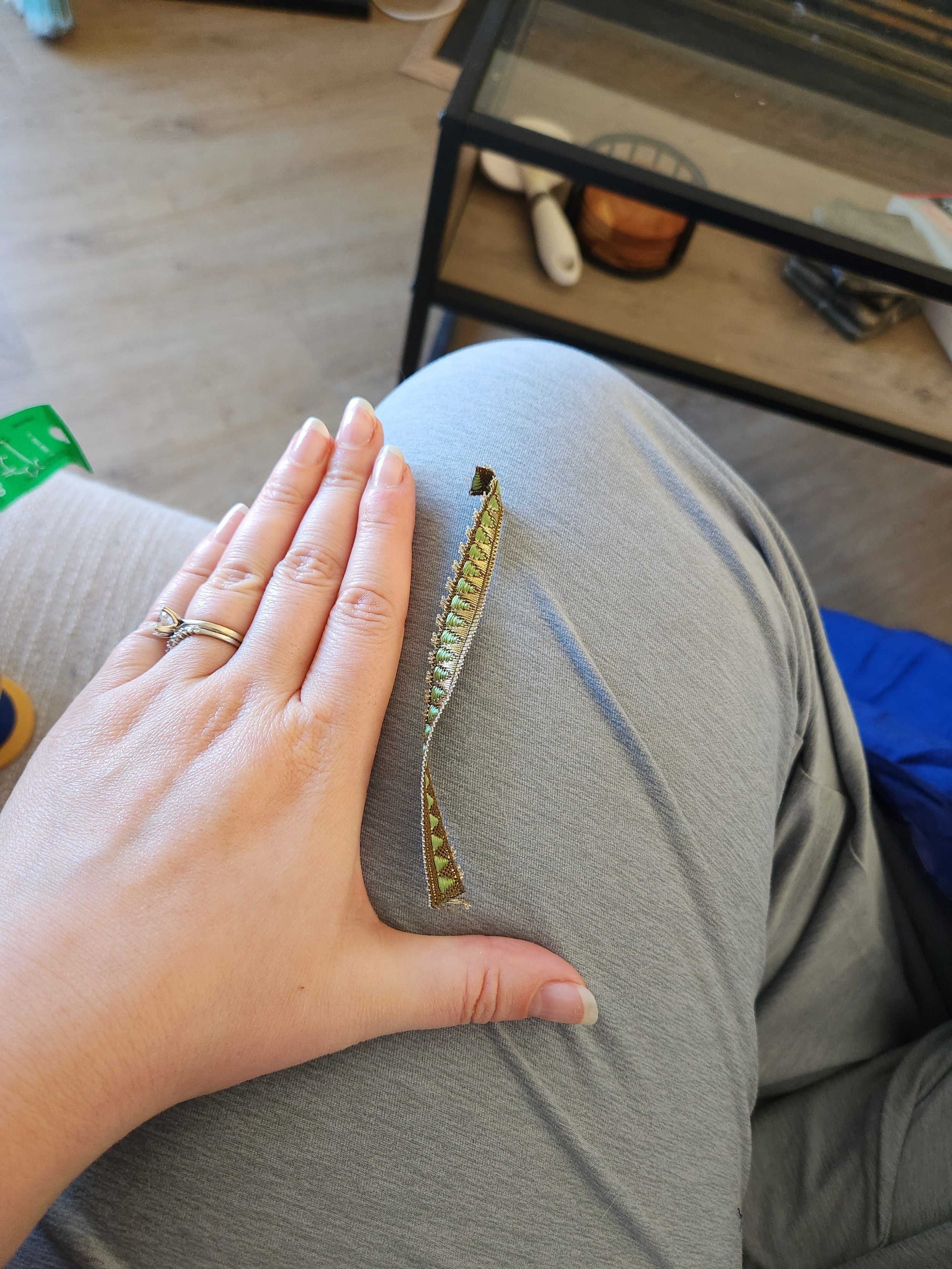
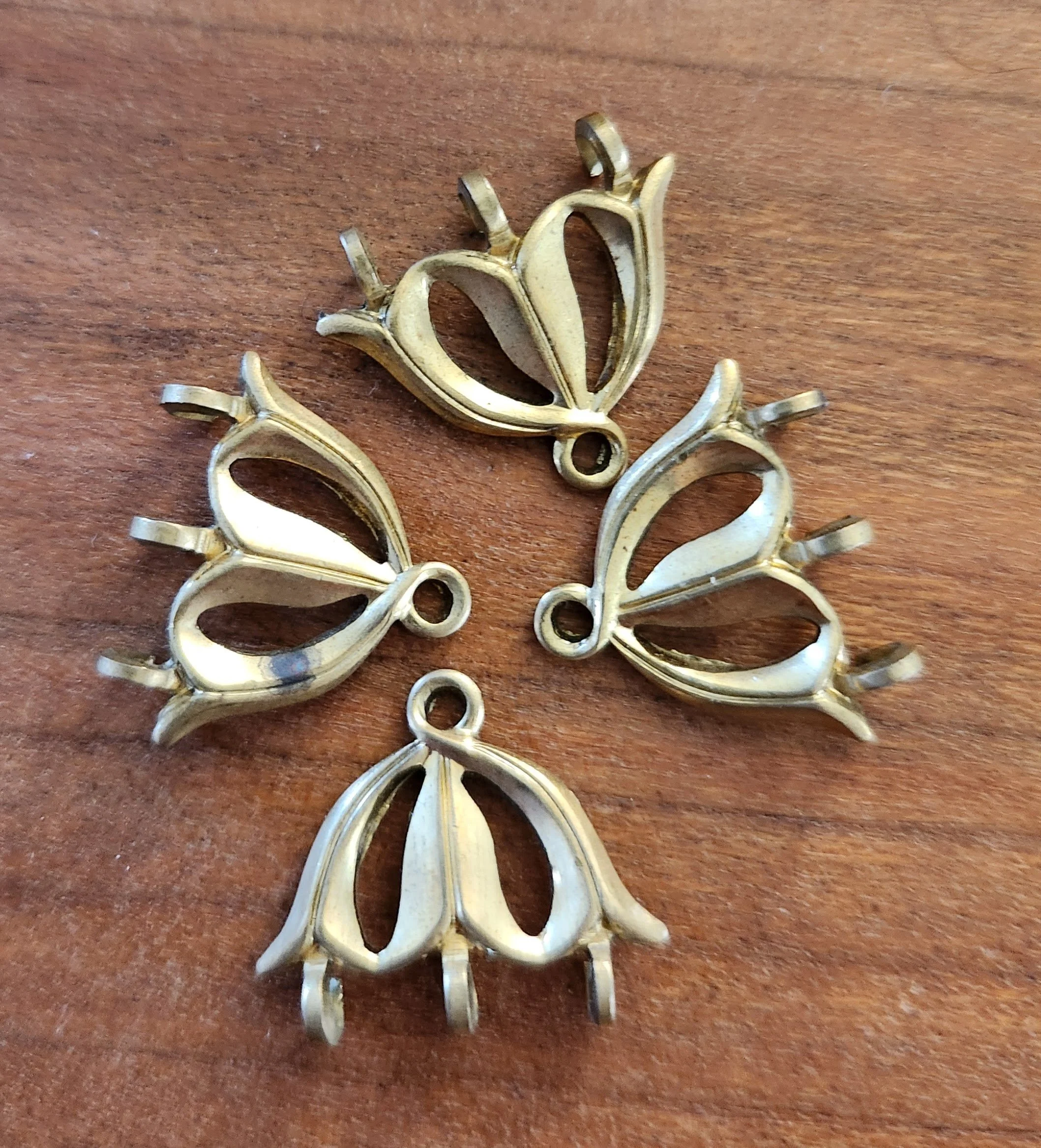
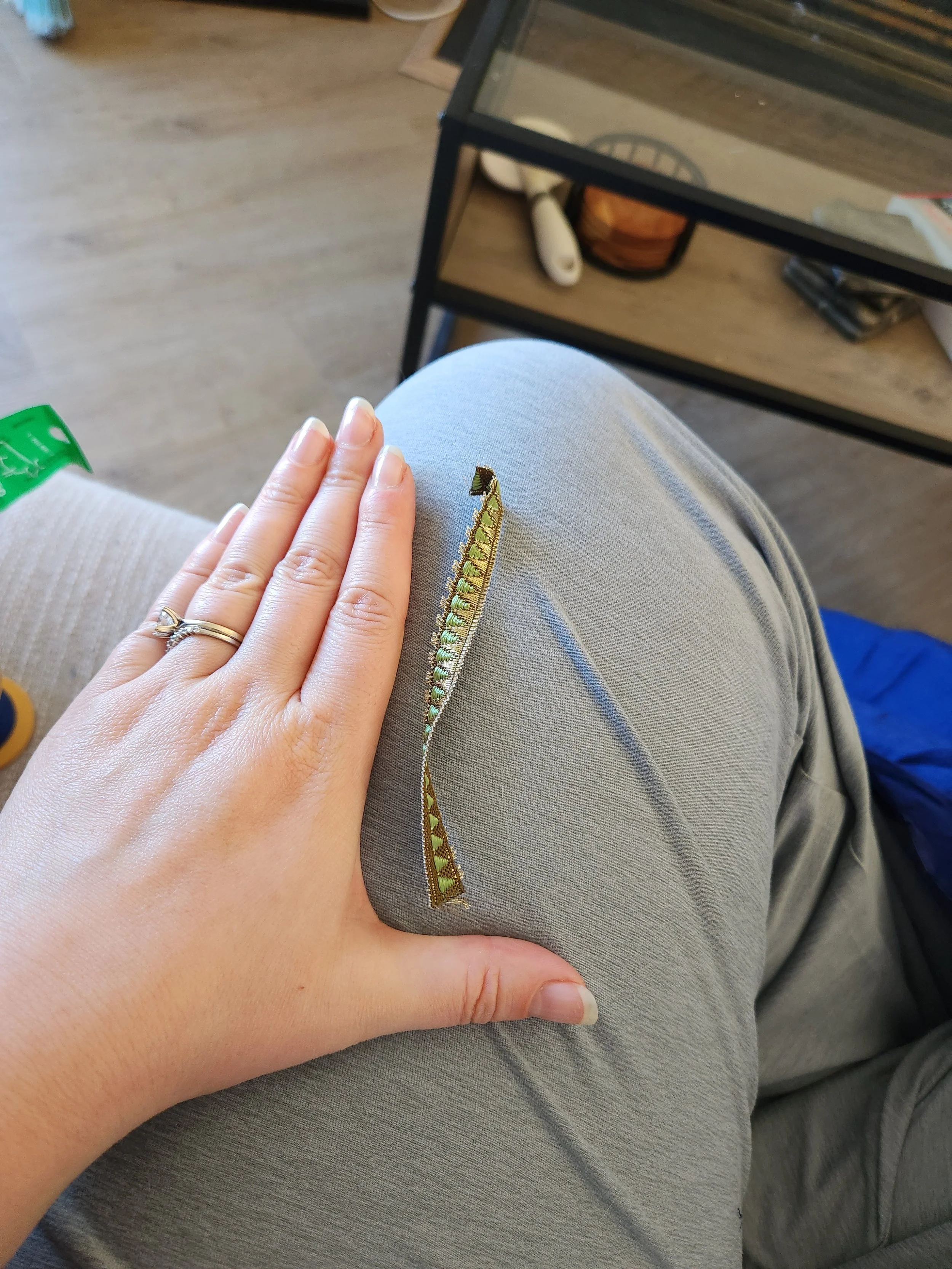
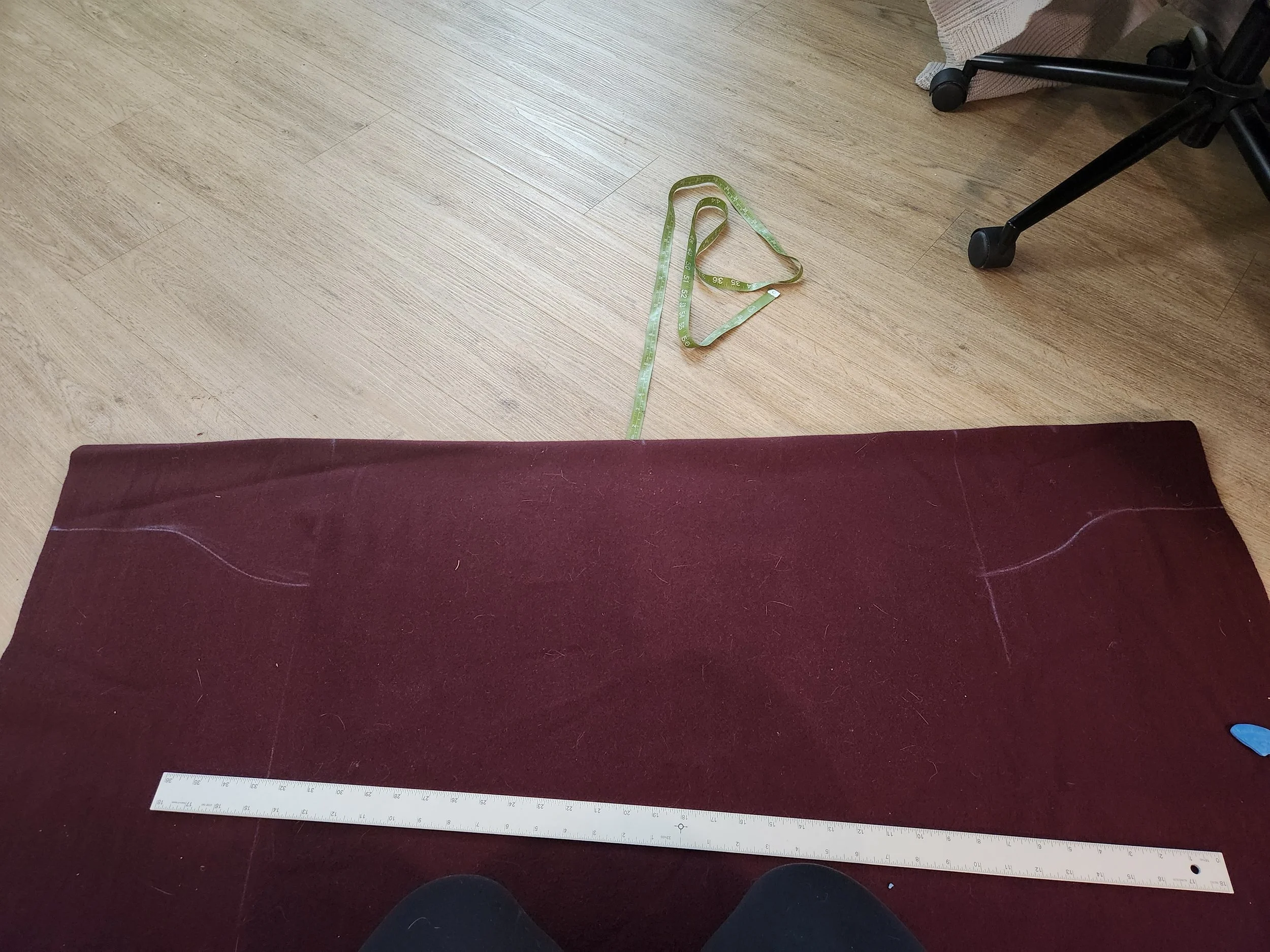
Other exciting things is as of April, I am officially the Minister of Arts and Sciences
May Goals
Garb:
Finish the Roman capsule wardrobe
Maybe start back in on Juana
Classes:
Re-record finally now that my mic is fixed.
Try to figure out what I want to teach at Pennsic.
